


Pesticides and fertilizers can lead to severe pollution of both soil and water sources. These substances cause disruption of the ecosystem and pose a threat to biodiversity. In the long term, they can also reduce soil fertility and make water sources unsuitable for consumption.

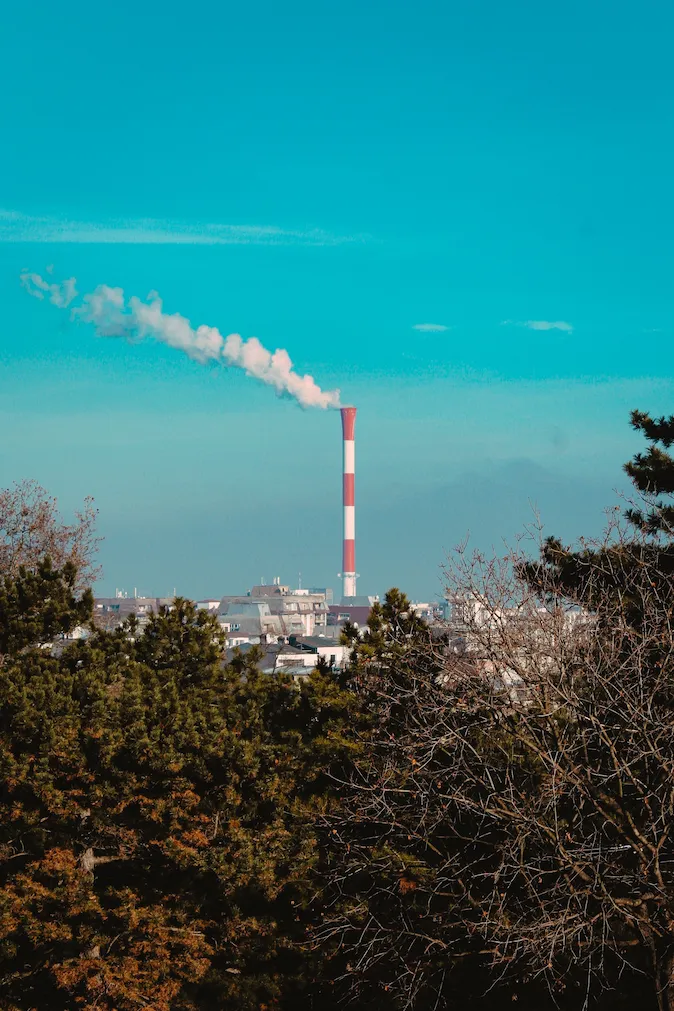
The presence of pollutants can negatively affect air quality and residents’ health. In addition to direct health risks, this can lead to reduced livability of an area. Industrial activities, agricultural practices, and traffic often contribute to this disturbance.
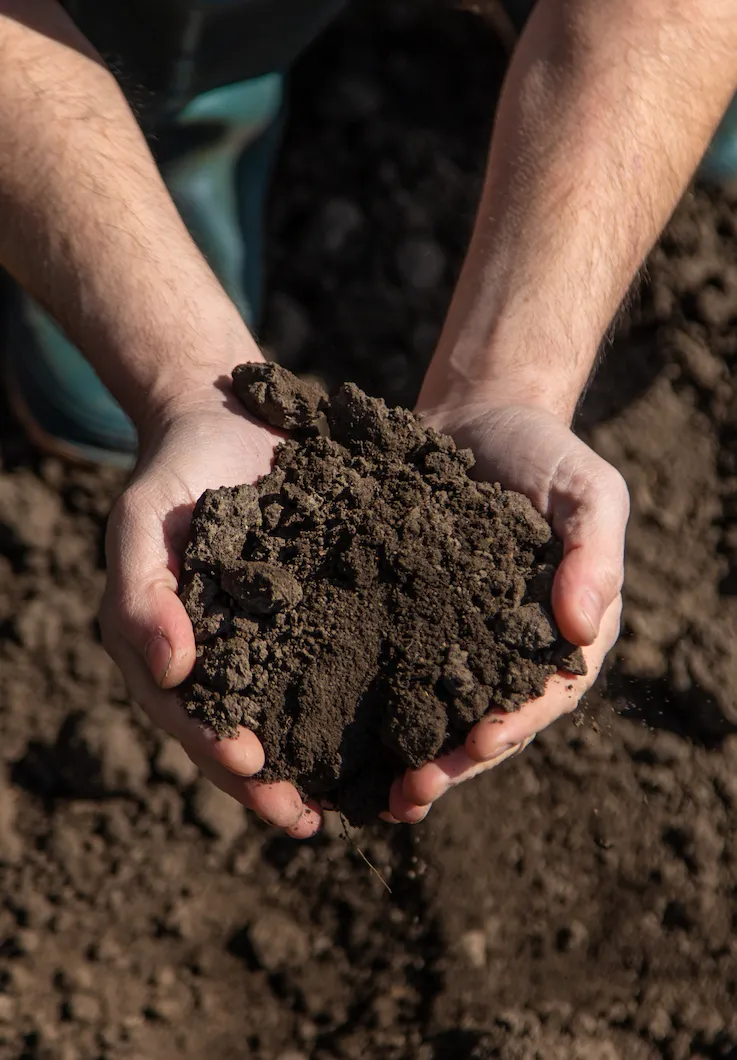
Regular soil tillage can affect the structure and organic content of the soil, leading to erosion and water loss. Site conditions such as soil type and water availability play a crucial role in crop health. Poor soil management practices can lead to declining yields and reduced crop health.
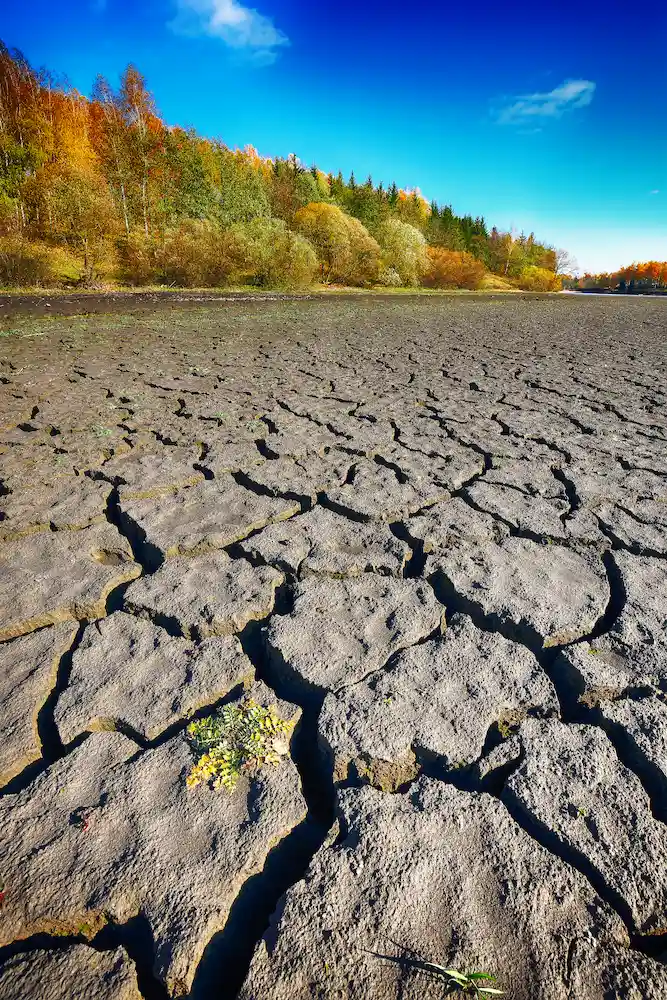
Drought can lead to reduced crop growth, poorer quality of agricultural products, and loss of vegetation. On the other hand, waterlogging can cause root rot and block oxygen supply to the soil, which is harmful to plant growth. Both extremes have a major impact on agricultural production and ecosystem stability.
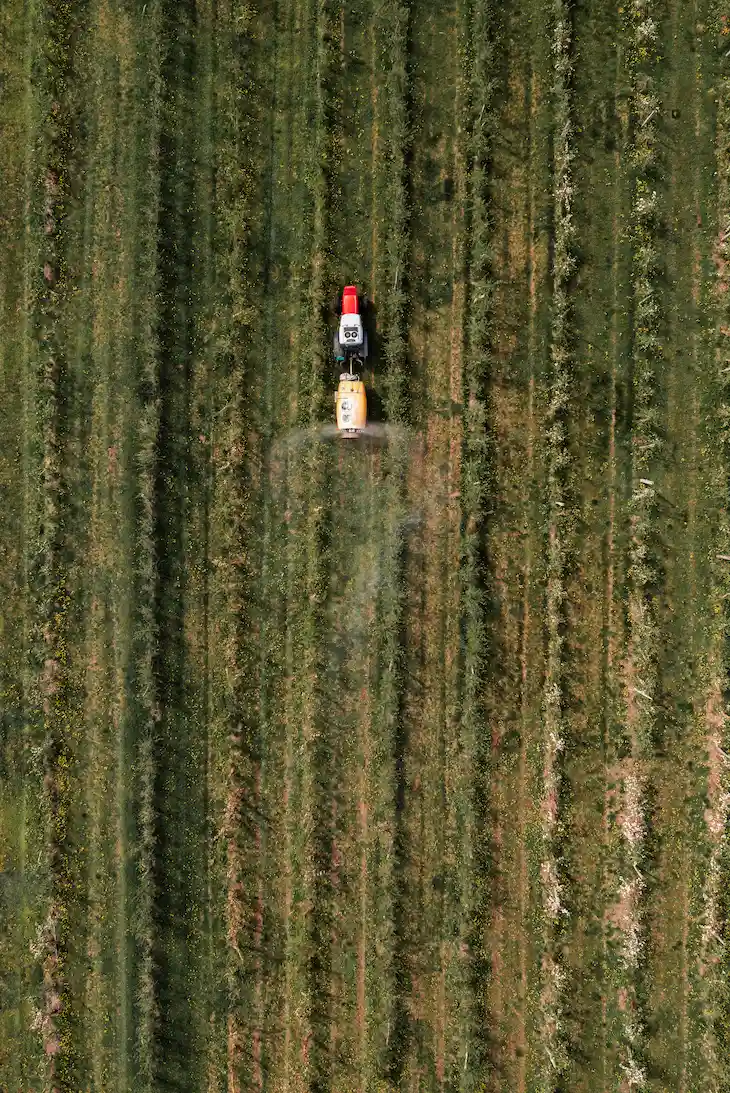
Pesticide drift can negatively affect surrounding crops and natural areas through unintended exposure to chemicals. This can lead to damage to non-target species and reduction of biodiversity in the area. Additionally, pesticides in air and water pose a health risk to humans and animals in the environment.
Endorse is ready to help you with our specialized services in the field of garden, environment, and living space. For independent expertise, in-depth studies, or professional advice, you can count on our team of certified experts. Contact us today for a free consultation.
